Polyurethane waterproofing for interior spaces: preparing vietnamese buildings for the rainy season
 25.09.2026
Vietnam's rainy season isn't one event — it's three, on three different calendars. The north gets its heaviest rain from June to August, the south from May to November in the form of daily afternoon downpours, and the centre — Hue, Da Nang, Hoi An, Quang Nam — takes its worst weather later, from September to December, with the country's most destructive typhoons arriving in October and November.
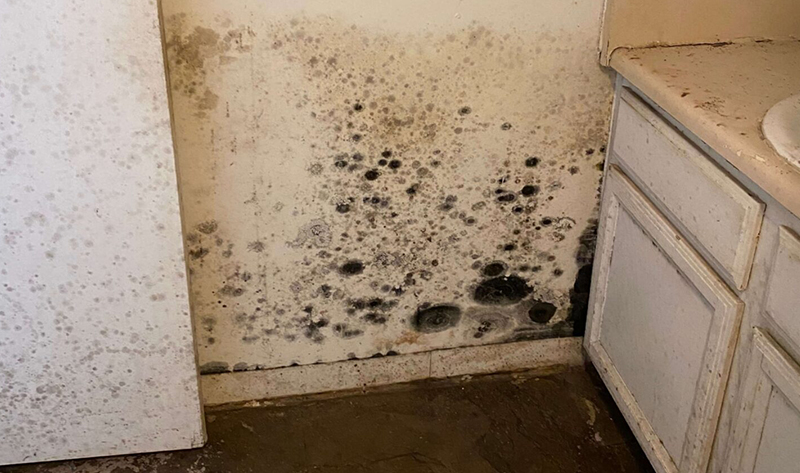
Whichever region a building sits in, a large share of the resulting leaks and damp patches don't start on the roof — they start inside: in bathrooms, kitchens, balconies, basements, and underground parking. Water works its way in through hairline cracks in the screed, joints at wall-floor junctions, and old coatings that have lost their elasticity — then spends months damaging the structure from within, feeding mould, lifting tiles, and corroding reinforcement.
One of the most reliable ways to close this vulnerability is liquid-applied polyurethane waterproofing, such as TECHNONICOL ULTRATHANE.
Why interior spaces are a risk zone
Wet rooms (bathrooms, kitchens, laundry areas) and the balconies or terraces attached to living spaces carry a double load:
- Constant everyday moisture — from plumbing, laundry, cooking — slowly works into the pores of an unprotected cement screed, and Vietnam's year-round humidity (regularly above 80% in the south, and in the north's muggy summer months) gives that moisture very little chance to dry out between uses.
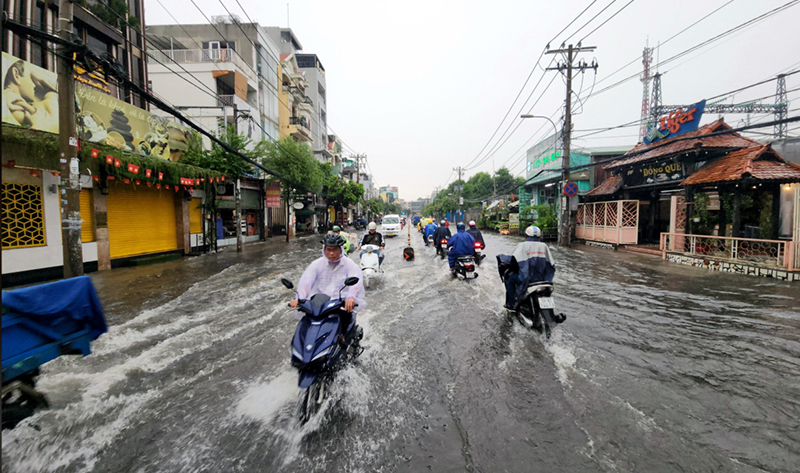
- Seasonal rainy-season load — in Hanoi's Old Quarter and Ho Chi Minh City, sudden street flooding after an intense downpour is routine; in Hue, Da Nang, and Hoi An, storm surges and river floods driven by autumn typhoons push water levels far higher, and much faster, than everyday plumbing ever would.
This combination is the main reason ordinary cement plaster or a one-off bitumen coating rarely hold up long-term here: they crack under the constant swing between saturated humidity and drying heat, and a crack as small as 1–2 mm is already enough to let water through.
What a polyurethane membrane delivers
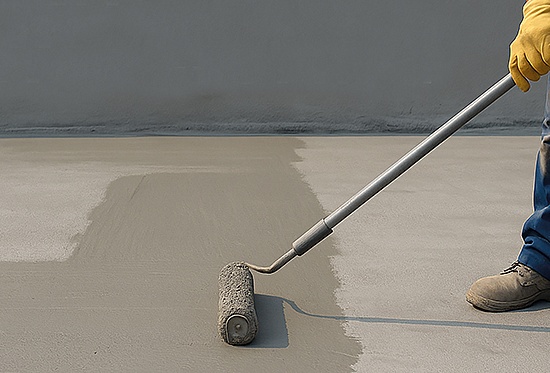
TECHNONICOL ULTRATHANE is a one-component, moisture-curing liquid polyurethane that cures into a continuous, seamless elastic membrane - with no laps or joints, and no reinforcing mesh required for the unreinforced system.
Key technical characteristics:
- Elongation at failure - over 500%: the membrane stretches along with hairline movement in the screed instead of tearing.
- Crack-bridging ability - from 2 mm, covering the vast majority of shrinkage and movement cracks found in screeds and plaster.
- Water head resistance at 5 bar pressure (per EN 12390-8) - confirmed by testing, which matters for rooms in constant contact with water or subject to temporary flooding.
- Adhesion to concrete - above 2.0 MPa, giving a strong bond to the substrate without delamination.
- Vapour permeability - at least 25 g/m²/day, meaning the membrane doesn't seal moisture inside the structure but lets it gradually escape - important in a climate where humidity rarely drops enough for a "sealed-in" wall to dry out on its own.
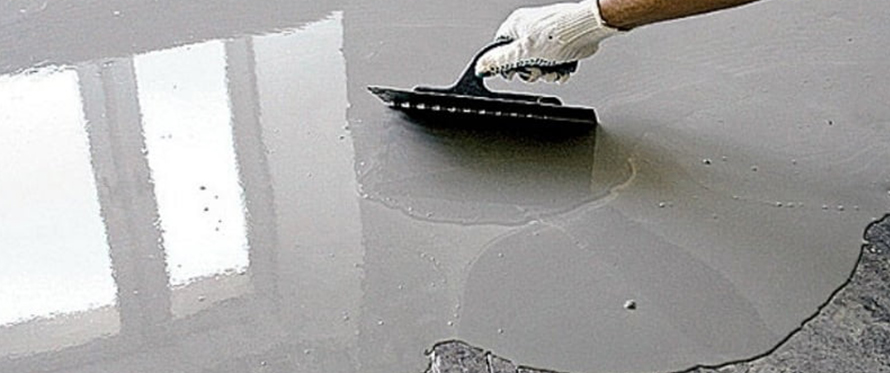
The material is applied by brush, trowel, roller, or airless spray; for reinforced systems - typically at junctions, corners, and movement joints - roller application with a polyester fleece reinforcement is recommended.
Where it's used inside a building
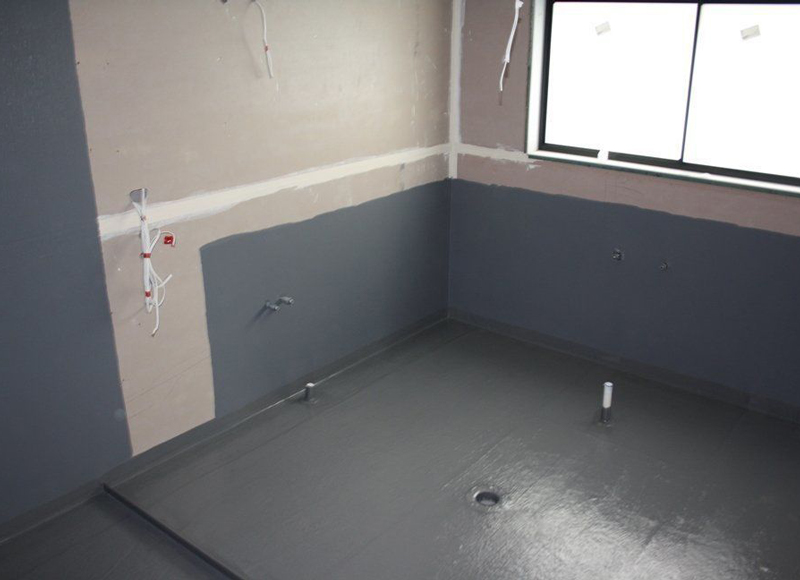
Beyond roofs, terraces, and balconies, TECHNONICOL ULTRATHANE suitable for:
- wet areas — bathrooms, kitchens, laundry rooms;
- tanks, channels, and pipelines;
- parking areas and spaces under heavy mechanical load;
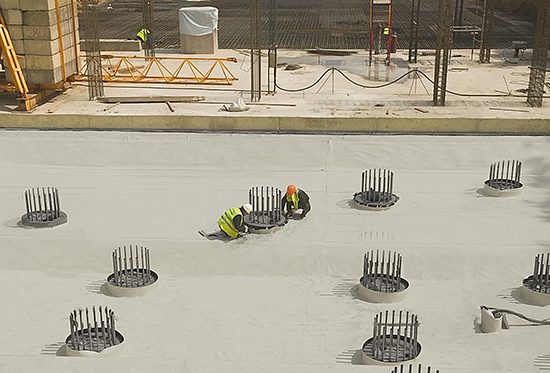
- renewing old, no-longer-watertight membranes without removing the existing substrate.
For a typical Vietnamese residential or commercial building, this means one system can close off several risk zones at once: the floor under bathroom tiles, a balcony screed, the junction where a window frame meets the wall, and - where relevant - a basement level or underground parking, which floods first when street drainage in cities like Ho Chi Minh City or Hanoi is overwhelmed.
Why installation timing depends on the region
Full cure takes about 7 days — during that window the surface shouldn't be put under heavy use or exposed to direct, sustained water contact. Vietnam's three climate zones don't share one calendar, so the safe installation window shifts by region:
- Hanoi and the north — best done before May, ahead of the June–August wet season.
- Ho Chi Minh City, the Mekong Delta, and the south — best done before May as well, ahead of the May–November wet season and its daily afternoon downpours.
- Hue, Da Nang, Hoi An, and the central coast — this region runs on the opposite calendar: its dry season stretches roughly February to August, so the work should be finished before September, ahead of the heaviest rain and the typhoon-prone months of October and November.
Starting the work once the rains have already begun creates real problems everywhere: it's harder to protect a freshly applied coat through the required curing period without damage, high ambient humidity and condensation on the substrate can interfere with surface preparation, and any hidden defects have time to show up as active leaks before the repair is even finished.
Leaks inside a building almost never appear suddenly — they build up over years as hairline cracks and small, local gaps in the waterproofing.
A polyurethane membrane offers something a rigid cementitious coating can't: elasticity that moves with the building, and seamless protection exactly where leaks tend to start - junctions, corners, and joints. In a country where three different rainy seasons cover almost the entire calendar somewhere, getting the timing of interior waterproofing right — by region, not by a single national "before the rains" date - is what makes the difference between a coating that lasts and one that's tested before it's even cured.
 Chia sẻ bài viết